45 Waterloo Street – Reuse in Action in Glasgow’s Financial Services District

Simon Guy • 13 November 2025

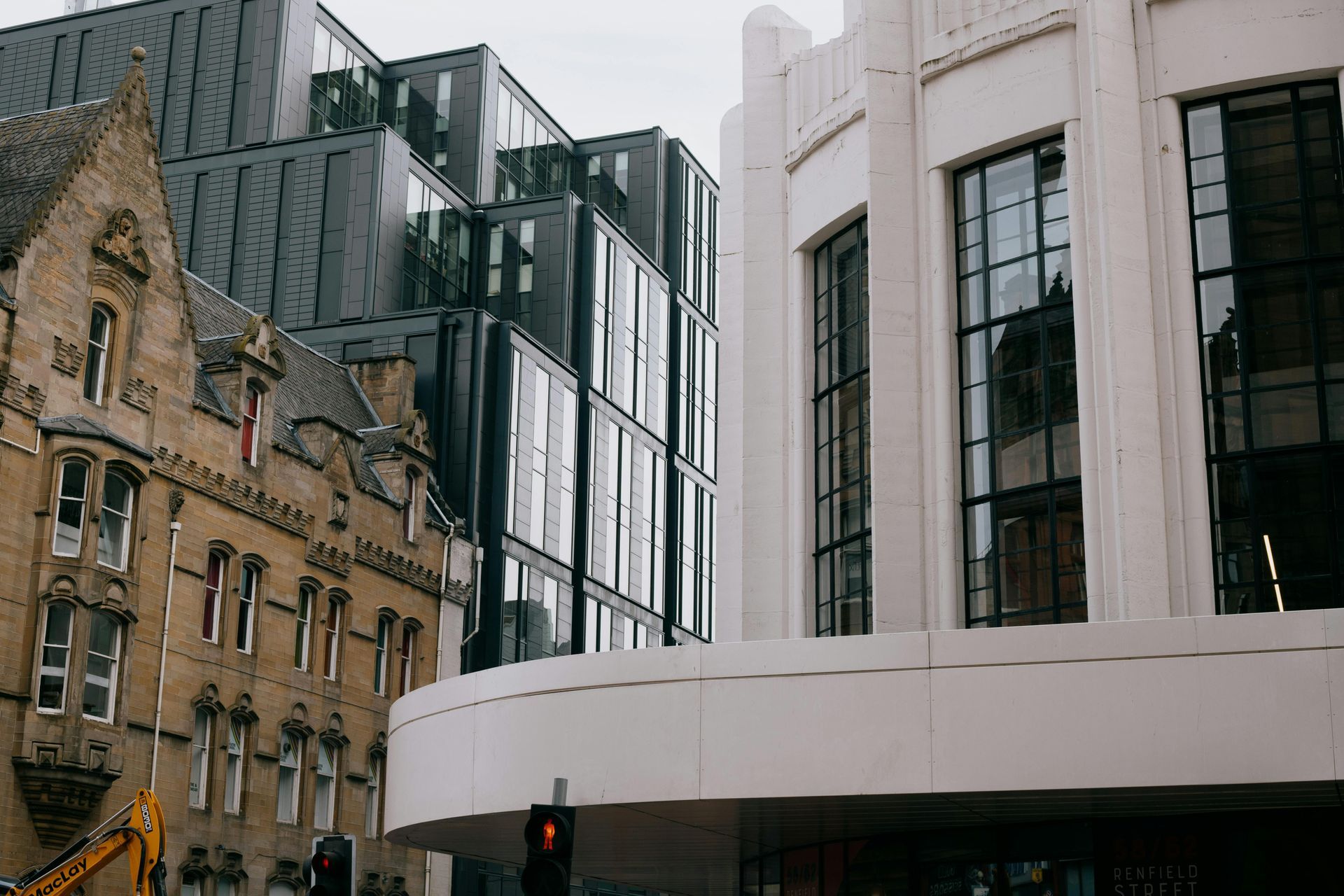
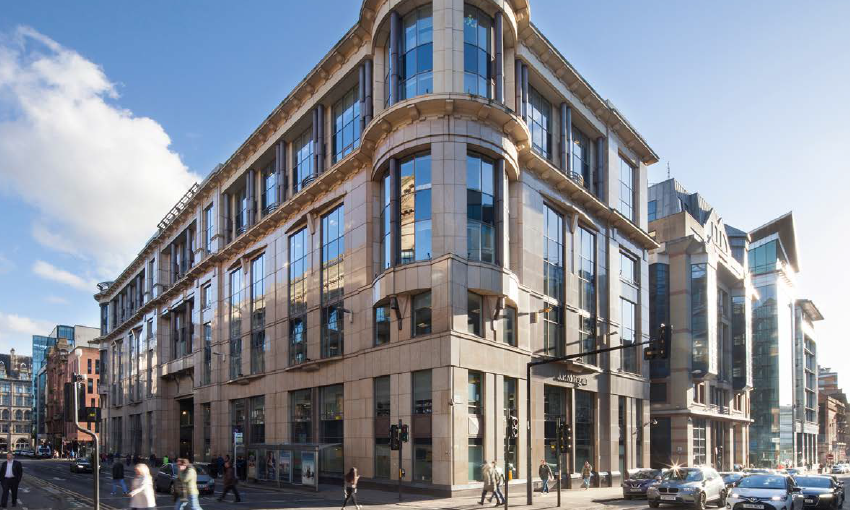
45 Waterloo Street is a 95,500 sq ft office building acquired by RoundShield and CEG Group earlier this year which is currently undergoing refurbishment by the new owners. This includes a full internal refurbishment, refreshed external elevations, a new external roof terrace and removal of the large, glazed atrium to the rear of the building. The building is situated in Glasgow’s busy financial services district. 

Innes Building Consultancy engaged Reusefully to carry out a pre-refurbishment audit  to maximise the circularity and reuse opportunities in the redevelopment. This was especially important for BREEAM purposes and to help achieve the project’s strong sustainability and circularity aspirations. 

Reusefully undertook the initial pre-refurbishment audit in August 2025, accompanied by the project team of Innes Building Consultancy, DSSR Consulting Engineers and GM projects.  


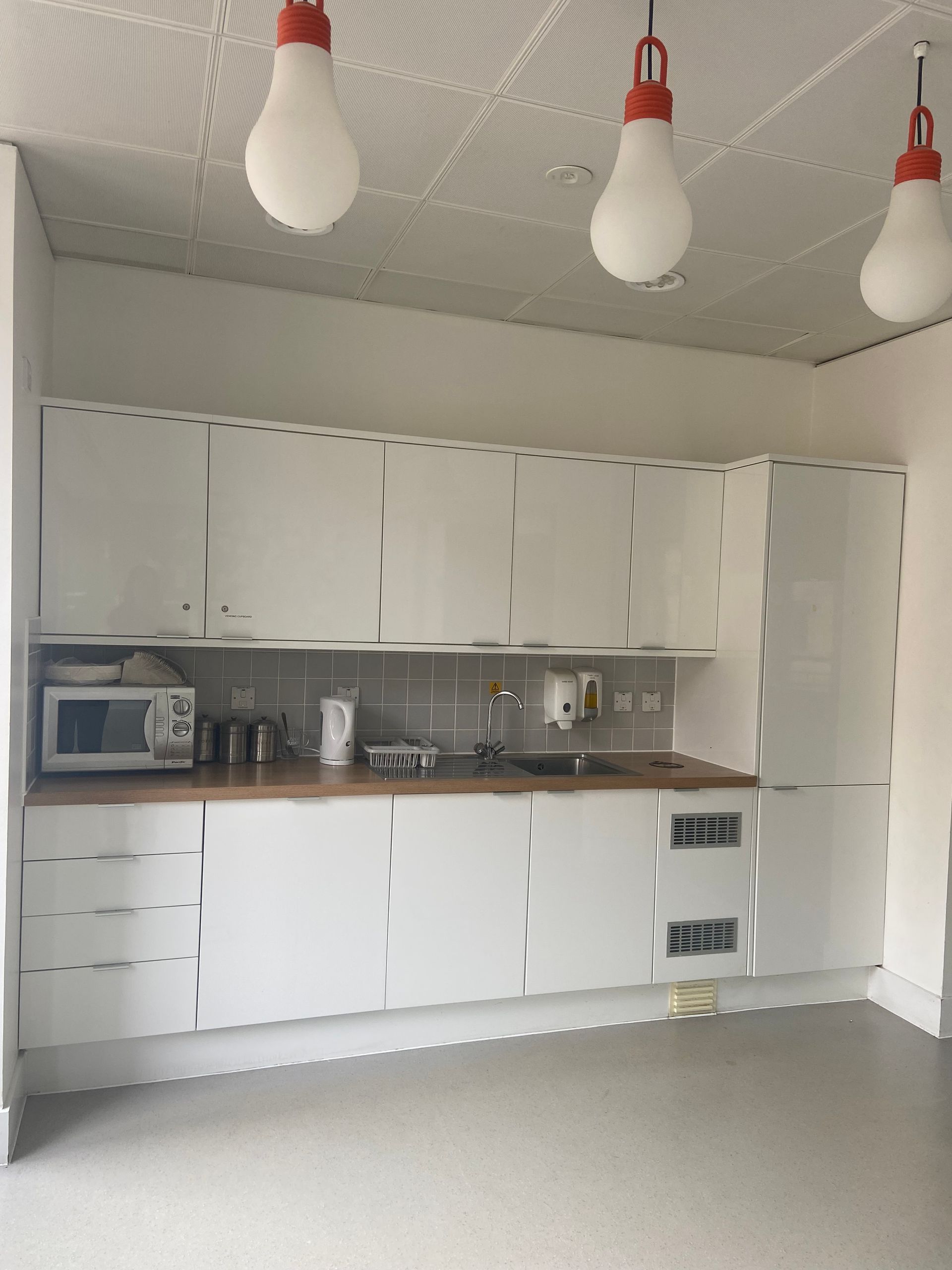
This early collaboration and engagement laid the groundwork for an active programme of reuse. A high reuse target was set due to the potential identified for many items throughout the building which included raised access floor panels, metal ceiling tiles, carpet tiles, glass office partitions, kitchen units and more.  


The project team reviewed the audit in an interactive workshop with Reusefully – a Resource Tracker to help facilitate successful reuse.  


The workshop was extremely useful, highlighting options for each item, and the tracker served as a place for all of this information to be compiled and shared. 
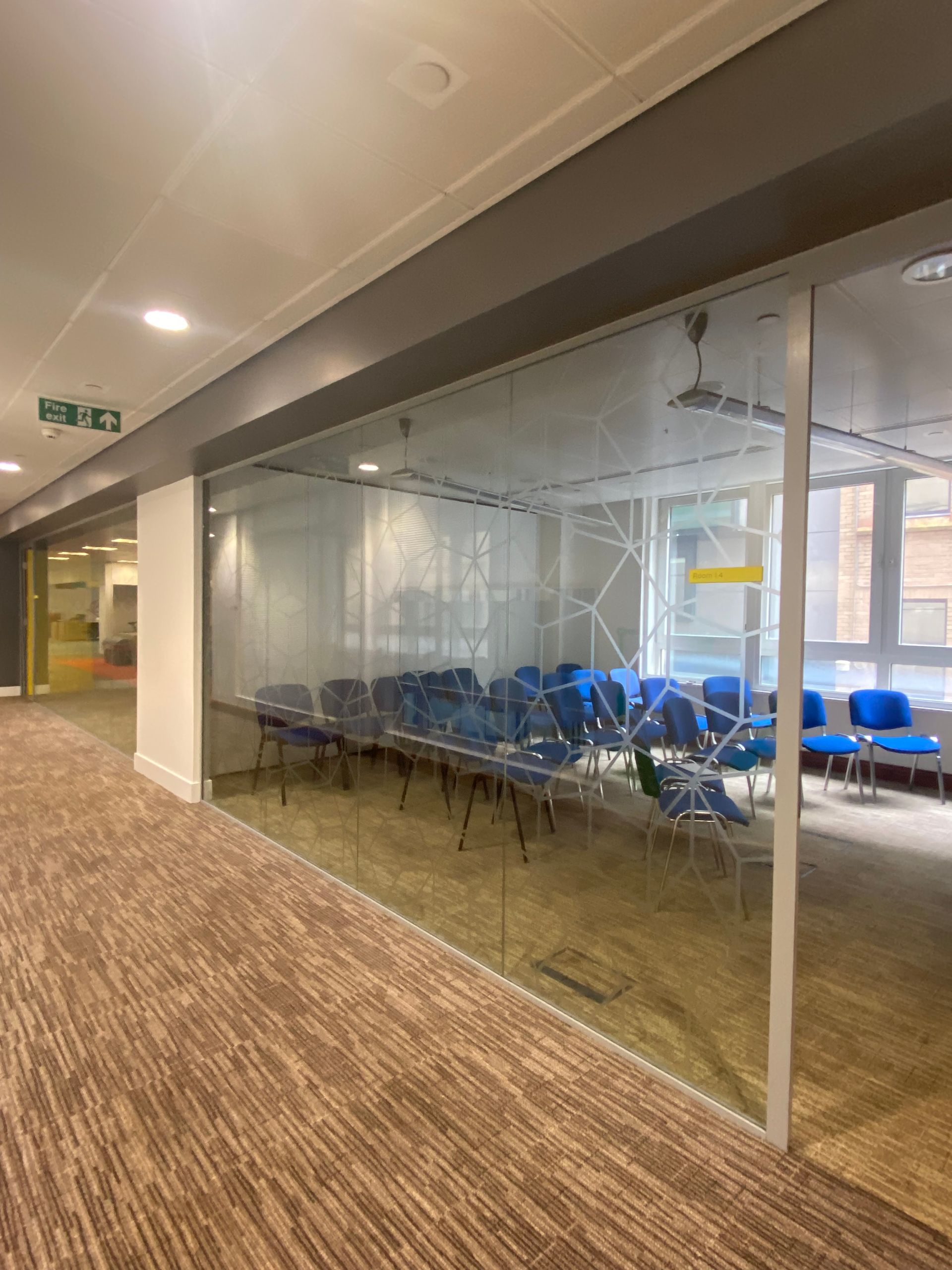
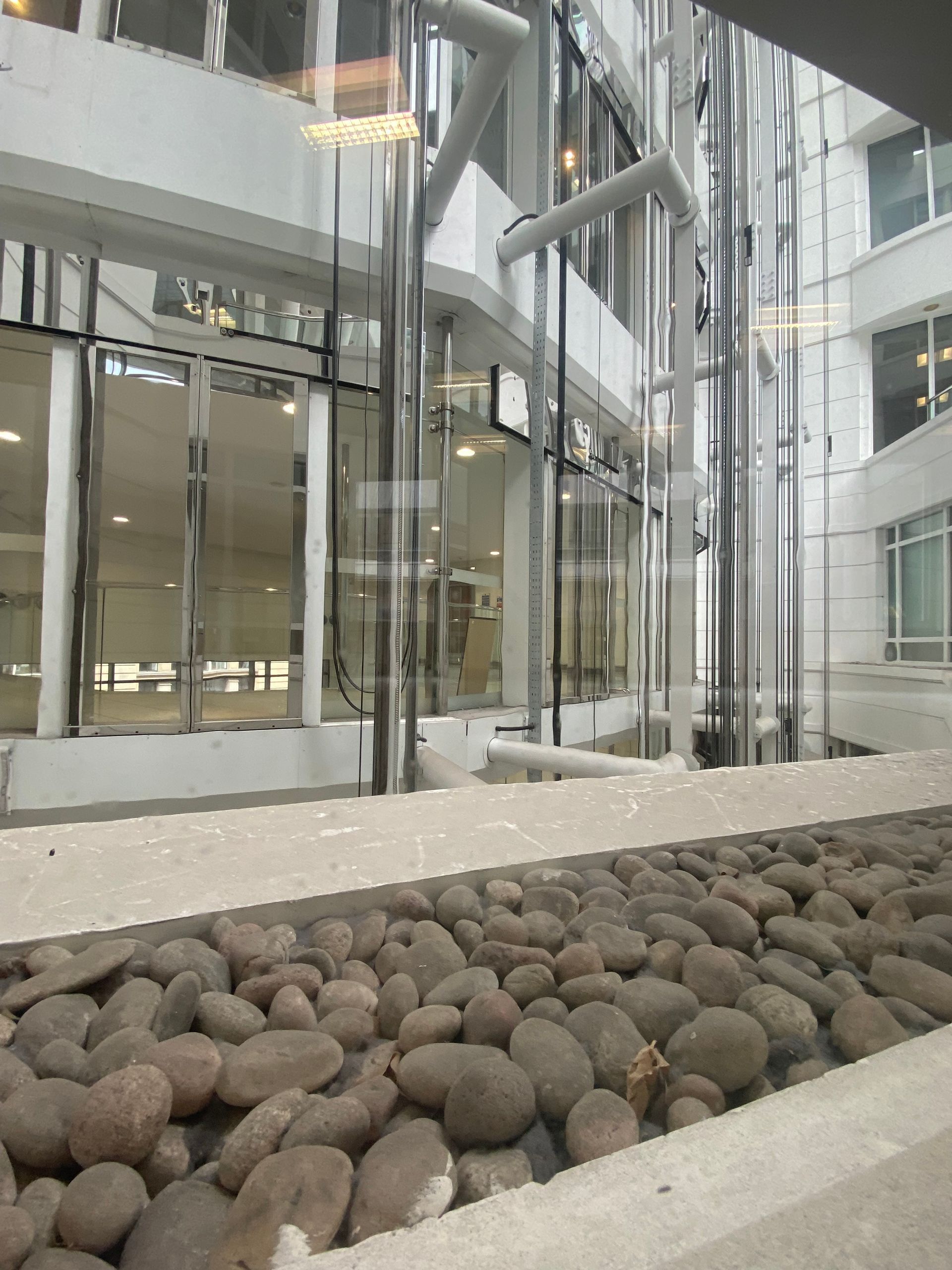
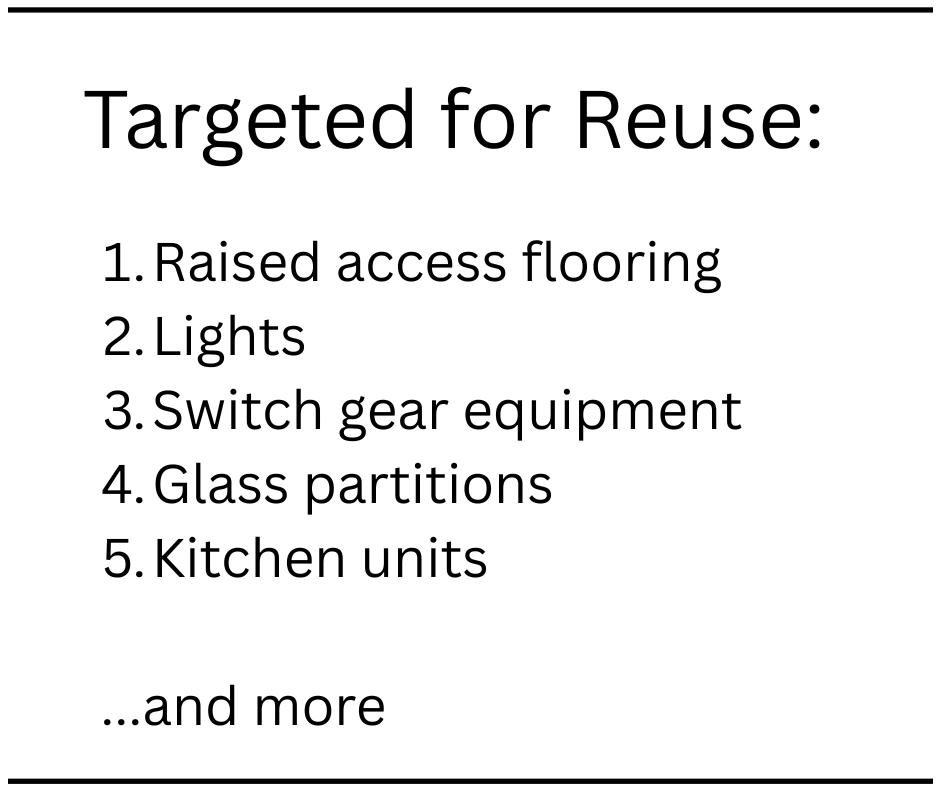
The audit and workshop facilitated discussions that meant that a number of opportunities were quickly identified. Items including raised access flooring, emergency exit lights, switch gear equipment, decorative pebbles and timber skirting board, were assessed and deemed suitable for onsite reuse. 


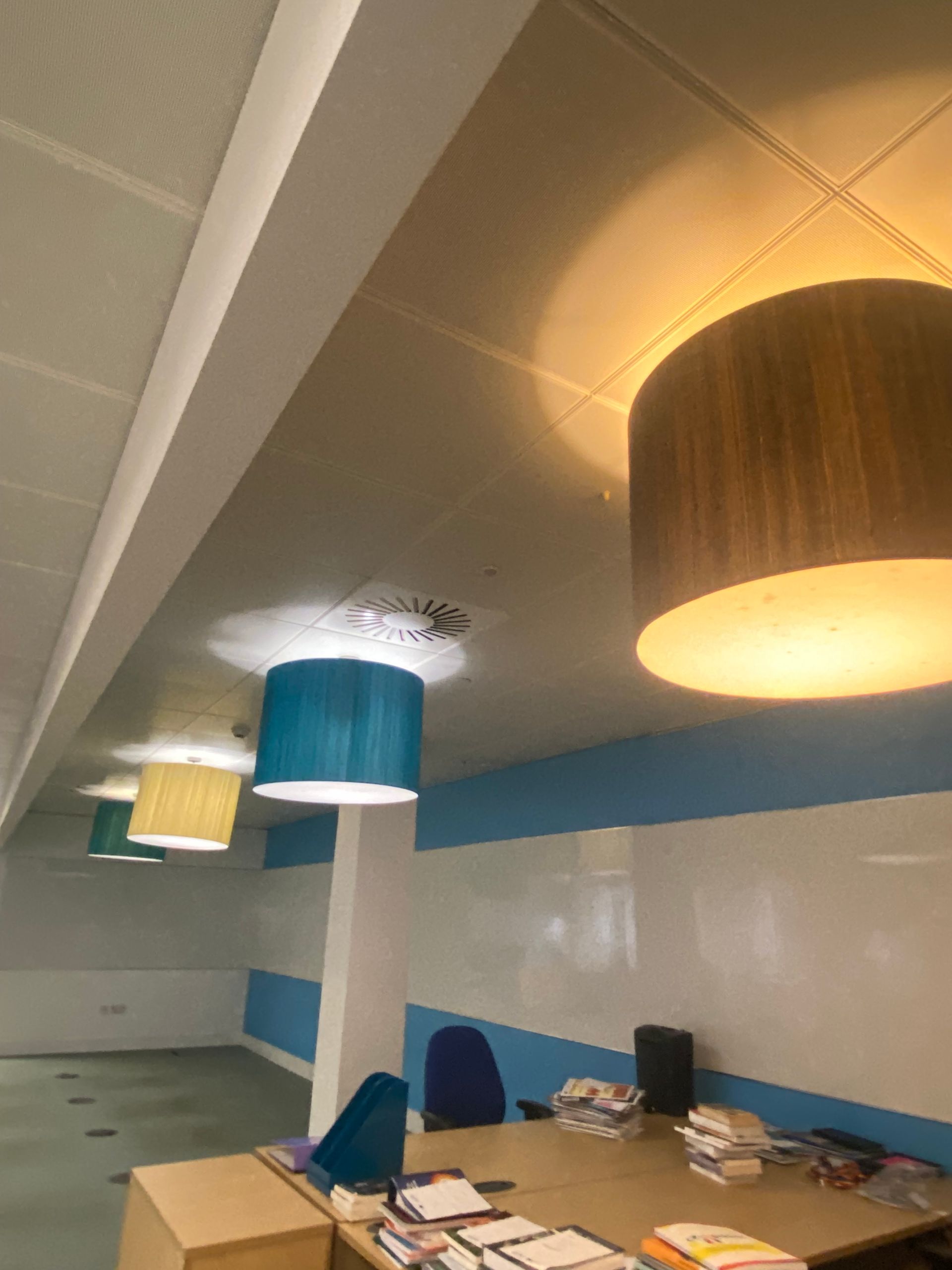
Innes Building Consultancy highlighted items such as glass partitions, glass doors, and feature lighting, that can be designed into other projects that they are working on, providing a great example of how buildings can be used as material banks. 


GM Projects plan to reuse multiple items within their site set up which they take with them, store, and reuse at the end of each project they do. These include some glass office partitions, glass doors, kitchen units, ceramic basins, hand dryers, and a security turnstile. This discussion was vital in ensuring that everyone was on the same page and allowed Reusefully to focus on finding opportunities for the remaining items. These opportunities include local charities and organisations, and companies such as Urban Miners who are hoping to collect a number of hand dryers as well as the UPS systems from the site.  

The strip out commenced at the start of November, and the team is intending to track the project’s progress, actual reuse, and the embodied carbon avoided through reuse. Once the project is complete, we will be able to produce comparison data from estimated to actual reuse, and share our successes, so stay tuned! 


by Dora Banda & Theo Simondetti • 28 September 2026
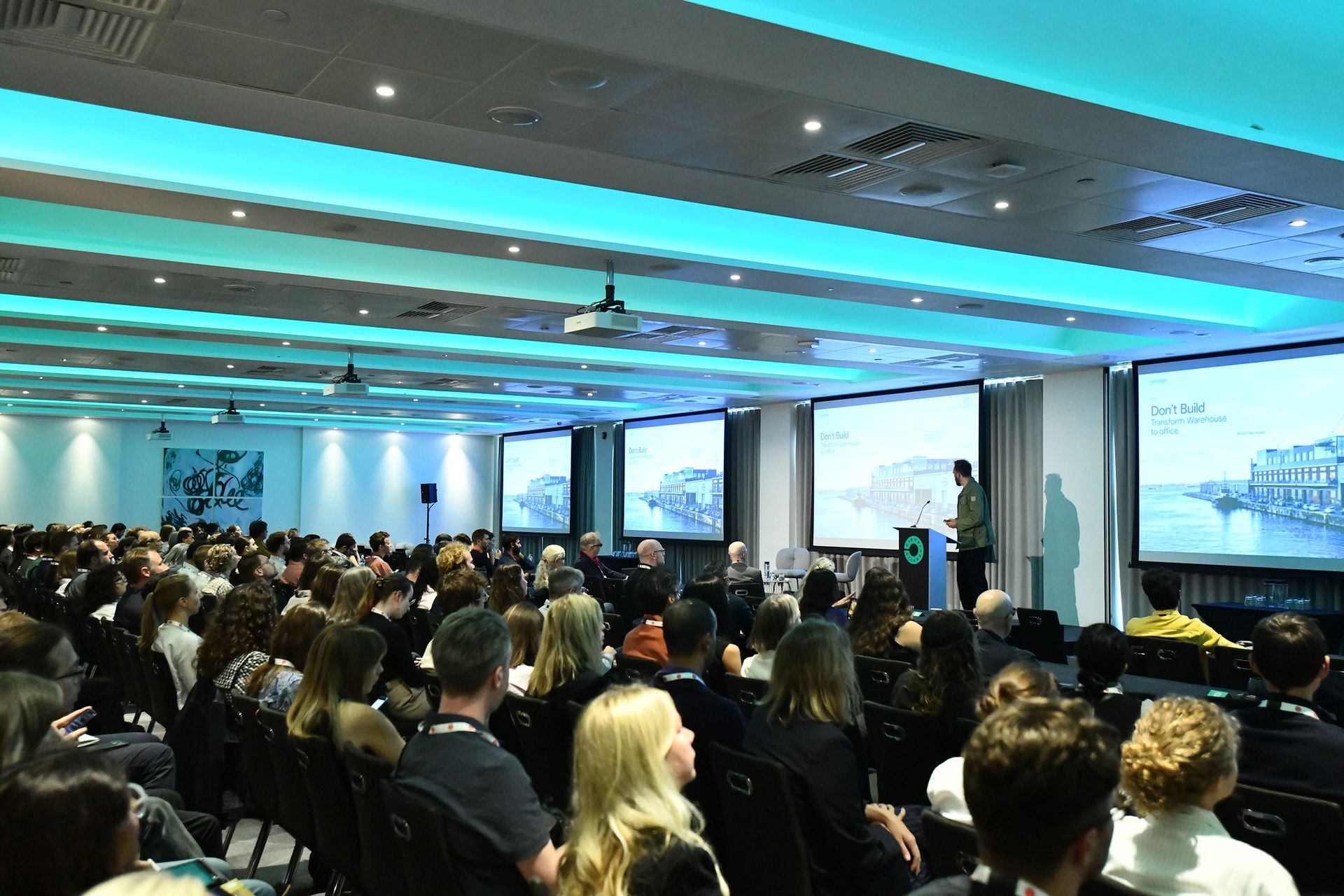
Earlier this month, Dora Banda and Theo Simondetti of Reusefully attended CircularBuild2026 in London, hosted by Architects' Journal. The conference brought together circular economy manufacturers, architects, developers, consultants and contractors to explore how adapting existing buildings can work alongside low-carbon material supply chains and emerging technologies. Here are their insights and key takeways from the event.
by Natalie Ibbott • 12 June 2026
Universities and further education providers have a significant opportunity to lead the transition to circularity and a net-zero future. As long-term owners and managers of complex estates, they make decisions that shape not only operational performance, but also material use, carbon impact and adaptability of buildings over many decades.
by Simon Guy • 13 May 2026
A new collaborative project funded under the York and North Yorkshire Combined Authority’s Carbon Negative Challenge Fund aims to drive reuse and materials sharing for the region by creating and promoting industrial symbiosis.
by Theo Simondetti • 20 April 2026
We are in the middle of a quiet revolution in how the design and construction industries think about materials. For decades, the story of a building or an office fit-out followed a familiar arc: specify new, install, and when the lease runs out or the brand refresh arrives, strip it all out and dispose of it. That model is no longer tenable — environmentally, economically, or ethically. Reusefully's Theo Simondetti explains how creative reuse is becoming a powerful tool available to designers.
by Simon Guy • 16 April 2026
The Scottish Government launched its Circular Economy Strategy towards the end of last month, with the built environment identified as one of five areas of priority.
by Simon Guy • 12 February 2026
How can planning policy influence and support the development of the circular economy in construction and what actions can municipalities take to support circularity and reuse? At the end of January, Reusefully hosted a webinar on this topic with contributions from more than 100 attendees who joined from across the UK, Denmark and beyond.
More posts